It’s been two weeks since the last update which was the day Noah came home at the end of phase 2. As of yesterday, we are back at the hospital and headfirst into the 3rd phase of treatment. I meant to get a real upbeat “back to it” post out yesterday. This will still be pretty upbeat, but a new chemo med yesterday threw a bit more excitement in than expected.
As a refresher, phase 1 (Induction 1) consisted of 10 days of chemo followed by about 25 days of count recovery in the hospital. Cytarabine is the most common chemo med throughout all the phases and was delivered on all 10 days of phase 1. Daunorubicin was on days 1, 3, and 5, and Gemtuzumab on day 6 only. At the end of phase 1 there was a spinal tap (with chemo delivery) and bone marrow test procedure.
Phase 2 (Induction 2) was similar to phase 1 except 8 days of chemo and no Gemtuzumab. He went home about 20 days after the last chemo treatment. He was originally scheduled for a spinal tap and bone marrow test at the end of the last phase, but counts were low leading up to that procedure so it got postponed.
Yesterday was the start of phase 3 (Intensification 1) of treatment and that postponed spinal tap and bone marrow test was performed in the morning. He’s had no trouble with anesthesia and the procedure went as expected. We’ll again await the results of the MRD (Measurable Residual Disease) test for the level of leukemia cells remaining. There’s some apprehension waiting for the results of whether he is still in remission, but that’s just going to be the new normal for any results going forward.
The next three phases are named Intensification 1, 2, and 3, so they don’t get easier. This phase is limited to 5 days of chemo treatments, but each of those days include a much higher dose, five times as much, of Cytarabine over IV for 3 hours; and that’s every 12 hours. As a comparison, the previous Cytarabine IVs have all been over about 20 minutes. He also receives a new (to him) chemo med named Etoposide every 24 hours (more on that shortly). The combination of a lot of time getting chemo over the IV, higher doses, and a new med makes this phase a lot less predictable than was phase 2.
Starting at 4pm yesterday, Noah got the first Cytarabine delivery. Just as that began he also received eye drops to protect the eyes from the high levels of chemo. These drops are steroids he’ll receive every 6 hours throughout the days receiving chemo. He seemed to tolerate the Cytarabine during the 3 hours.
The Etoposide was another story. This is a blue liquid that was intended to be delivered over 2 hours. I was more concerned going in for this new drug even as compared to the higher dose of Cytarabine because you never know how the body will react. Mayumi and I had just done a “shift change” and they started the Etoposide just after the Cytarabine at about 7pm. It did not go well; as soon as the line turned blue Noah could breathe in, but could barely breathe out. They shut it down immediately and Noah was breathing normally 30 seconds later. Staff regrouped and considered whether to make some adjustments and try again or whether other meds were an option. It seems the initial attempt resulted in an allergic reaction. Noah described it to me today that it was like a bunch of rocks were sitting on his chest. They opted to try again but, this time, with some pre-medication of Benadryl and Methylprednisolone and over three hours instead of two.
As soon as the Benadryl kicked in he fell asleep. They woke him around 10pm and started the chemo again. This time he was able to breathe normally. He did have just a touch of chest pressure, but vitals were good and he was able to sleep. Even so, he (and Mayumi) didn’t get good rest last night. Tonight they’ll do pre-meds again before starting the Etoposide at a lower rate around 8pm. The main thing they typically have to monitor for on Etoposide is a drop in blood pressure. Let’s hope the treatment tonight is less eventful and then we just have 3 more treatments of Etoposide left.
I can report that, while Noah looks very tired today, he was in the kids room for almost three hours playing games with some staff and a few other patients. After last night, that was a welcome sight.
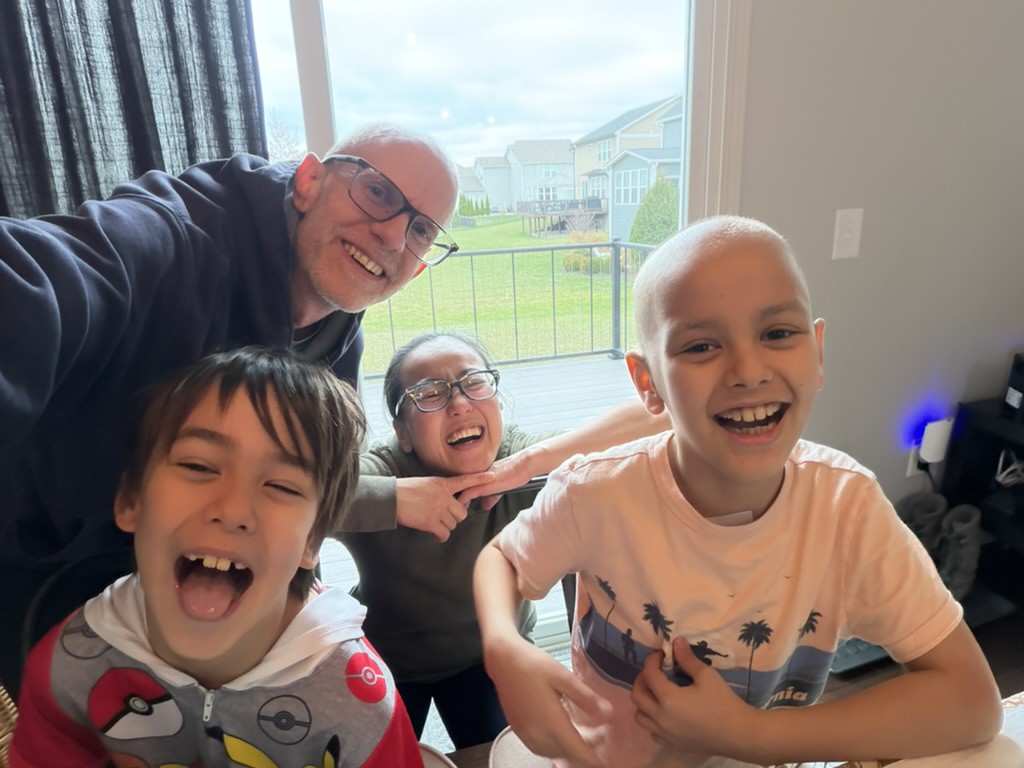
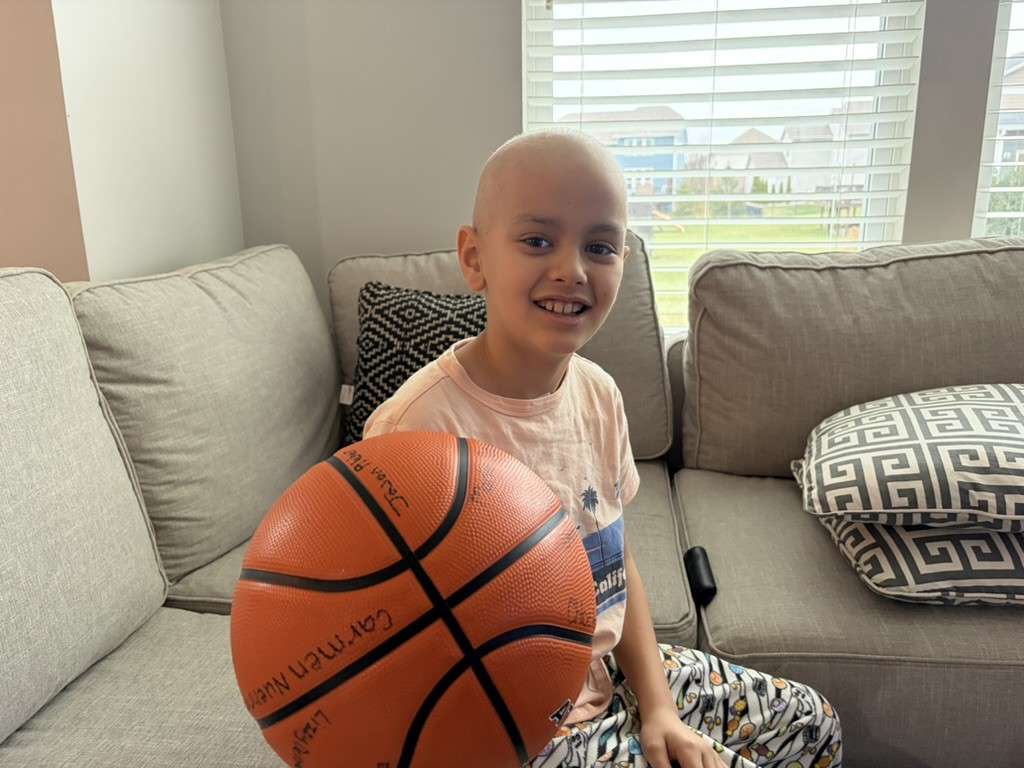
Now, since I didn’t post for the entire time he was home, a little recap: These couple weeks were a fun time. We took it real easy and just hung around home. A lot more gaming, movies, laying around, etc. I think Noah and I got a workout in every day he was back; some days better than others, but we bumped the workload and intensity each day and he did really well. There is no comparison between now and, say, last year. But just comparing Sunday’s workout and one from two weeks ago shows improvement in strength, agility, and endurance. Also, as mentioned previously, he was getting a little on the chunky side. That’s no problem at all, but I think we converted a bit of fat to muscle during those two weeks and he looks stronger too. The next days will knock that right back down, but the exercise can only help with the physical and mental rigors of the treatment. We’re thankful that he’s been able to have some semblance of physical activity as that’s not a given as kids receive these treatments.
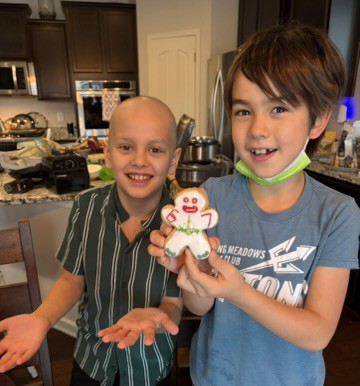
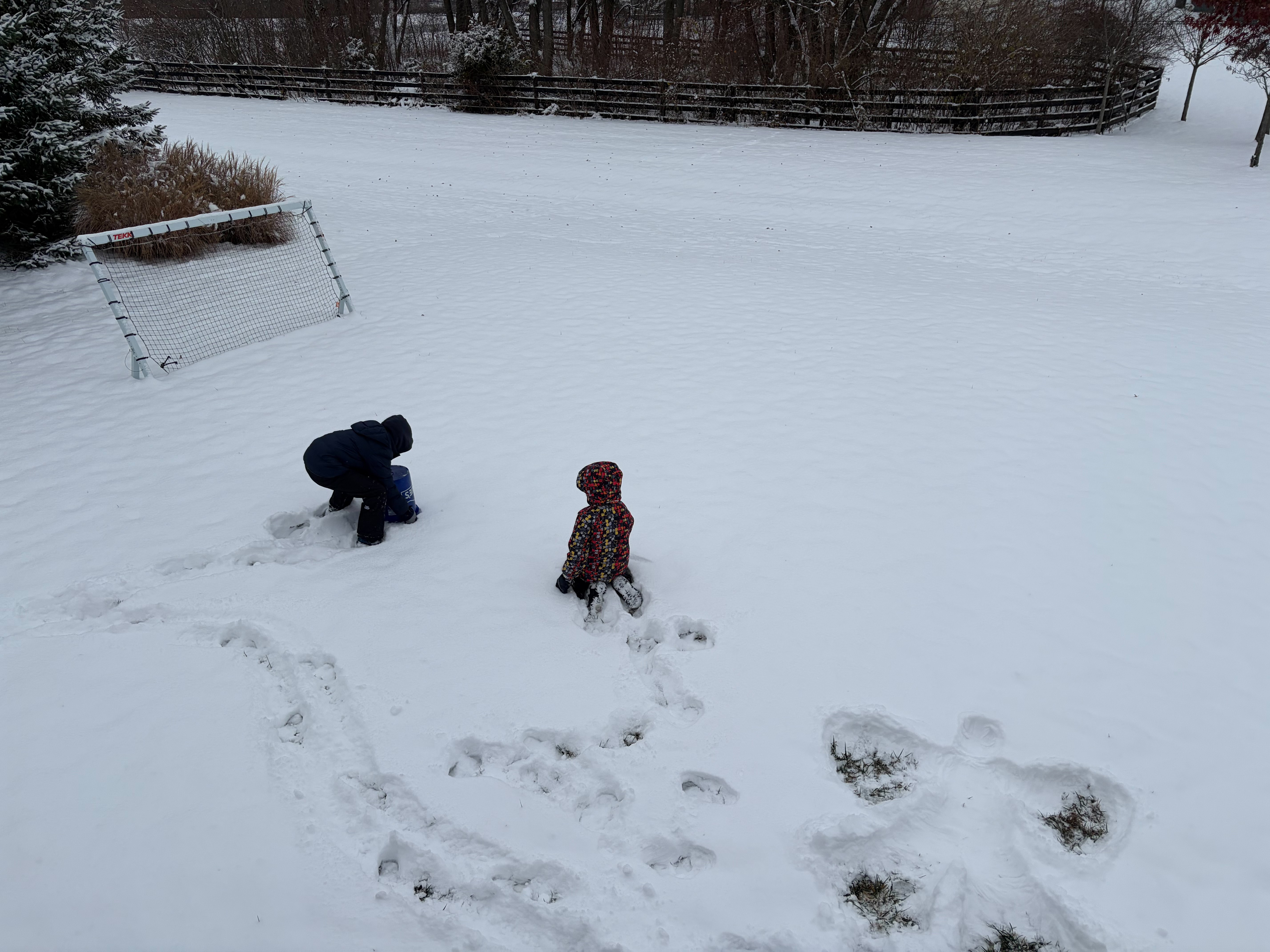
We had a nice Thanksgiving. No big family get-together, but we did sneak a few masked people in at various times that saw him in person. After the first big snow, he played outside with Micah and a few neighbor kids. My buddy, Chris Zelenak, got him an Xbox so both kids can torture us at once playing Fortnite on splitscreen! Since we’ll be in the hospital for Christmas we also got a bit of Christmas-at-home in ahead of time; cookie decorating, watched Home Alone, drove around looking at lights, etc.
Speaking of Christmas, we had been in the “Christmas Room” here, which is kind of an overwhelming mish-mash of old timey Christmas dolls and candy cane striped walls and floor. This time around we’re in a much more subdued “Peyton Manning Room”. It’s a nice change of pace. We’re happy to pick back up with the same friendly nurses and doctors as we’re well past the “getting to know you” stage.
The last thing I’ll note is that he got his first labs done yesterday in two weeks. Hemoglobin was 11.5 (typical range 11 to 16), which is about 2 points higher than we’d seen since this all started. Platelets were high even before this break and held at 424 (typical range 150 to 450). ANC was 1,488; round that up and it’s at the threshold of neutropenic and not; we’ll take that. All in all, those numbers are a solid starting point for this next round.
Noah’s just about to start today’s chemo so going to leave it here. We love you all — over-and-out.